Reeds are amazingly useful marshland plants, actually a type of grass which can be found all across the world. They have long tall, slender stems and feathery tops, and look beautiful as they change colour through the year, waving gently in the wind, or whipping about in a gale. They have an incredible amount of different uses and in their natural situation provide shelter, feeding and habitat for many different wild creatures, mammals, birds such as the reed bunting, insects, amphibians and of course fish, as they stand knee-deep in water! They can be found along many rivers, but also in estuaries and marshes and apparently are used for grazing… which I suppose is a natural way of keeping them under control.
Humans use them for a wide variety of different purposes, for example thatching property – houses, barns, outbuildings, and have been so used for thousands and thousands of years. They have also been woven into mats, boats, baskets, furniture, anything at all which needs flexible lengths of natural material. There are many legends associated with them, Moses was put as a baby into a little basket and set afloat and became lodged among reeds where he was found by the Pharaoh’s daughter. King Midas’s barber told the king’s secret about his donkey ears to reeds… and it was soon a secret no more. The Latin name for this plant is phragmites… now you know!
One really environmentally friendly use of reeds is to grow them into managed beds and use them for wastetreatment. Phragmites has the ability to transfer oxygen down to its roots and then into the surrounding area; this encourages micro-organisms to break down any nasties and render them harmless. There are different levels of beds so the flow goes from one to the next, but the water which drains out at the end is absolutely pure!
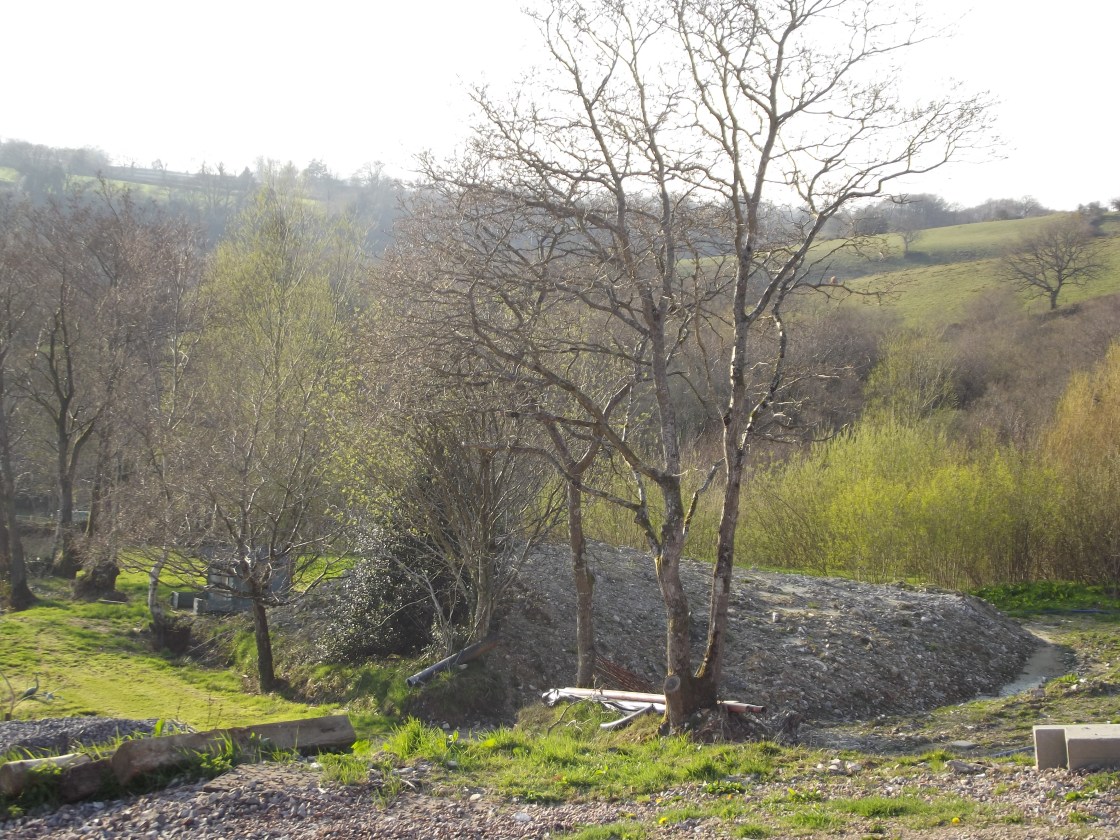
When we went to the Otter Breweries recently they showed us with some pride the foundations for the reed beds they were establishing which is what you can see in my featured picture. They are totally committed to being environmentally friendly to their beautiful surroundings, and establishing reed beds for waste water treatment is part of that commitment.

 Lois Elsden