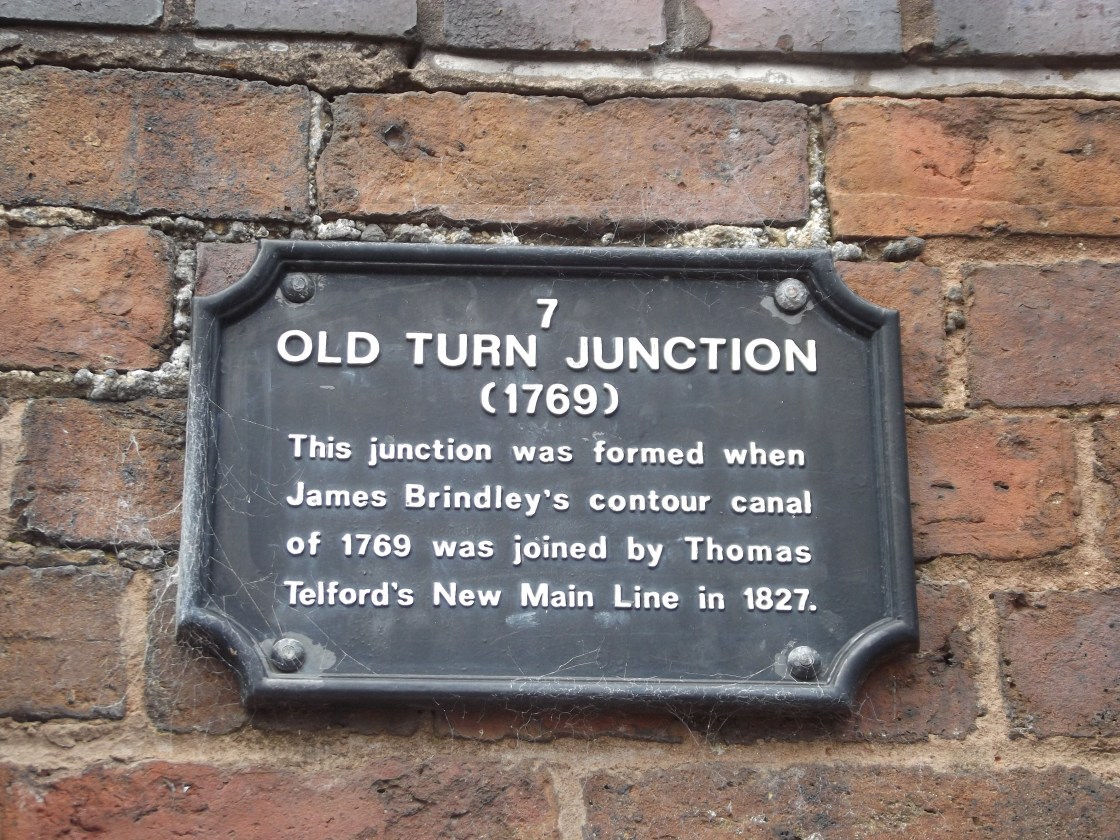
It’s hard to imagine a world without modern roads, motorways, transport and travel systems. We are so dependent now on moving from place to place with speed and ease we hardly give it a second thought, whether we’re walking into town along pavements with kerbs and gutters, or driving through the countryside along little lanes and byways to get to remote and lovely places, or zooming along three and four lane highways, or enjoying a train journey from one end of the country to another, or hopping on a plane to be carried away. We never even think about it until we can’t do it, whether it’s road works delaying us or floods diverting us, we just take it for granted we can plan a journey and get to where we want to be more or less in the time we think it will take.
When the world was changing forever as industry and steam-powered manufacturing processes revolutionised not just what we could make but how quickly and easily we could make it and how much of it we could produce, the routes for travelling from place to place where inhibiting the process and the progress. Horse drawn wagons, carts and coaches, muddy, rutted, dangerous roads, narrow and choked with other wagons, carts and coaches, narrow bridges and flooded fords, turnpikes and toll houses… travel was not easy, comfortable, quick or efficient.
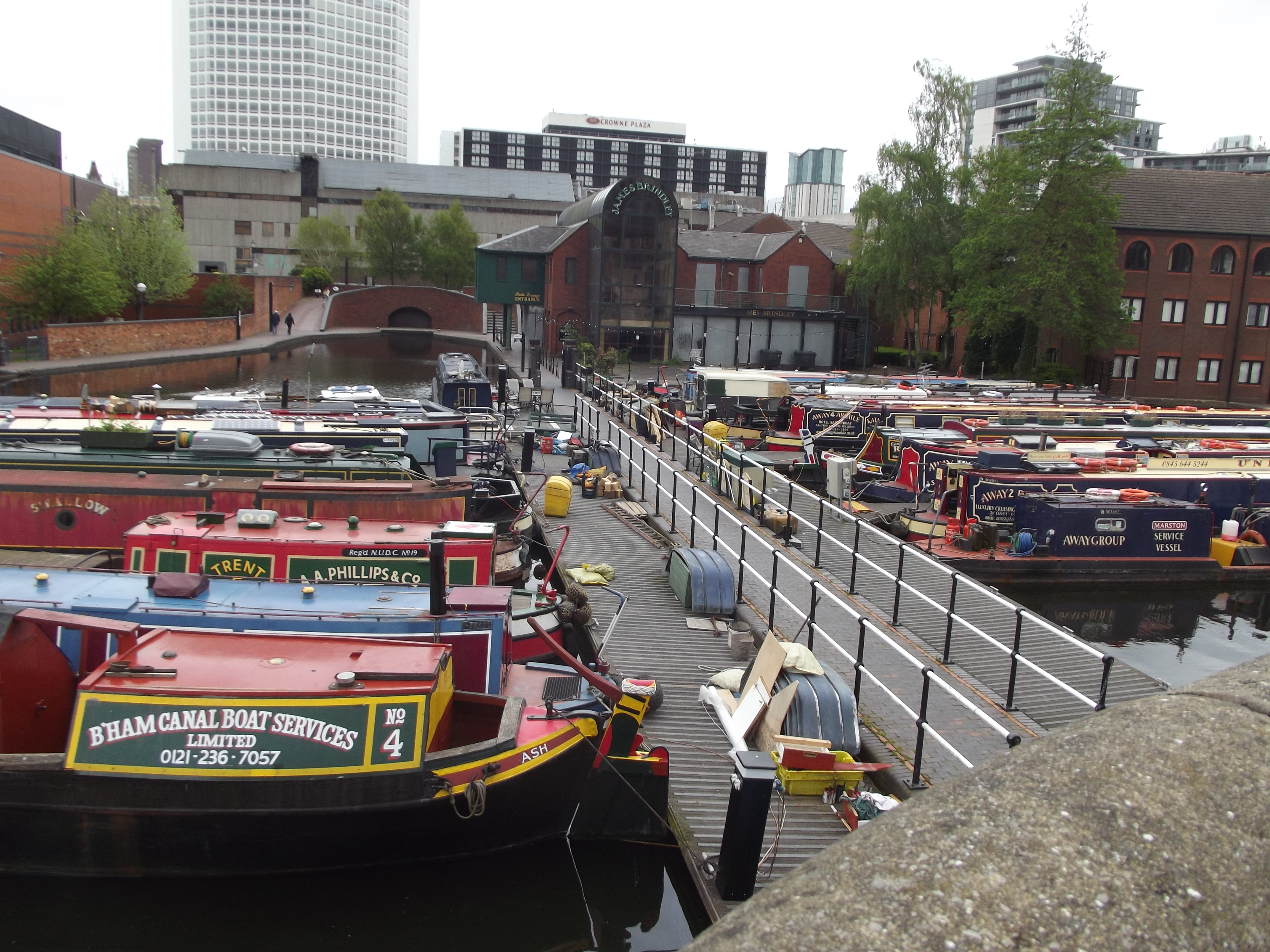
Now travelling by water, the way people first travelled from place to place from thousands of years ago, travelling by water that was the thing. Travelling by water across country? The rivers were all windy, and sometimes narrow… Come on great engineers and planners of the age! Build canals, use barges to carry the goods the factories are producing! Quick, efficient, safe, canal travel is the answer.
Gangs of men, many of them from Ireland, wielded picks and shovels to build a fine system of canals which criss-crossed the length and breadth of the country; they carved tunnels, the built locks, they crossed every terrain imaginable.
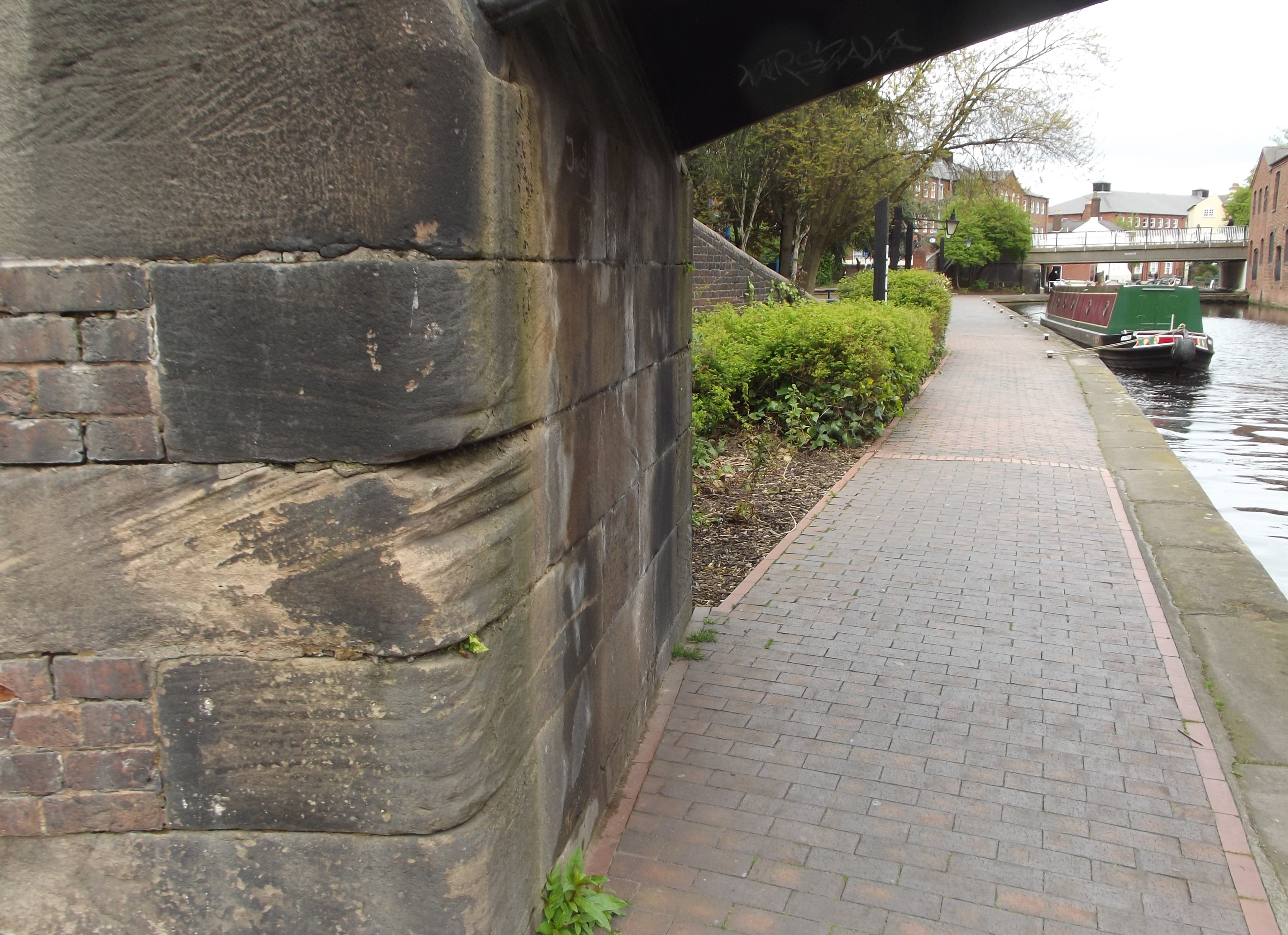 Soon there were people who lived on the river, whole families of canal people, and their horses drawing ton upon ton of everything you could imagine, to the factories, and from the factories and centres of industry. Look at the photo above: the grooves in the corner of the stones of the bridge were cut by the ropes attached to the horses which pulled the barges.
 Today very few goods if any are transported by canal, but after years of neglect the waterways themselves have come back to life supporting a new industry… tourism

 Lois Elsden