John Masefield is very well-known for his vivid narrative poems, often thought of as poems for children, but verses which can be read and enjoyed at any age. He also wrote novels for children too, novels with a strong sense of place, of character, and intriguing plots.
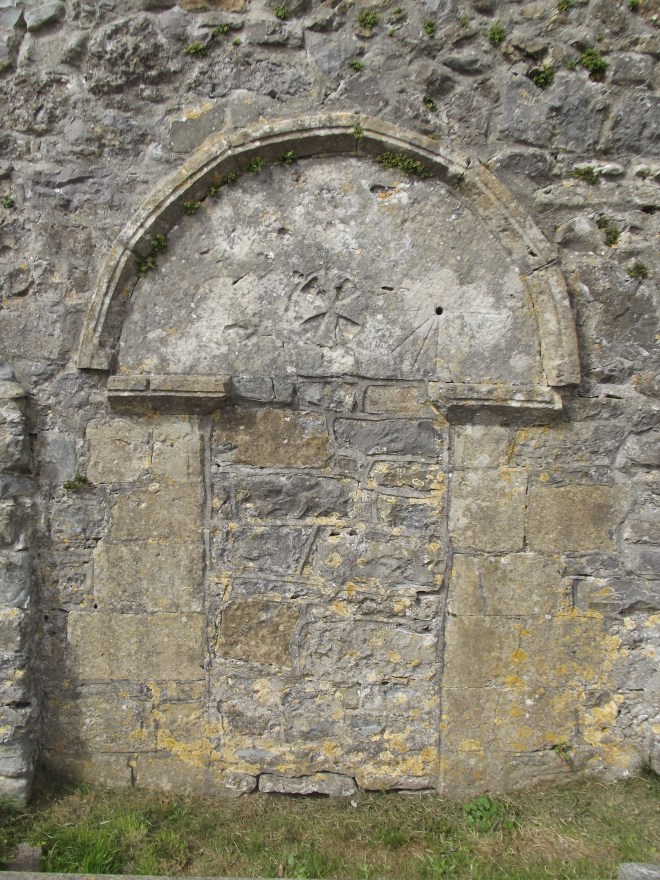
His sonnets are very different; they are reflective, dealing with the painful aspects of life, love and loss. In this sonnet, however, the visual aspect which readers so appreciate in his work is very apparent, in this almost morbid description of a bricked up priest’ cell… were his bones still there? Maybe not, but his words conjure them!
Over the church’s door they moved a stone
And there, unguessed, forgotten, mortared up,
Lay the priest’s cell where he had lived alone;
There was his ashy hearth, his drinking cup;
There was the window whence he saw the host,
The god whose beauty quickened bread and wine,
The skeleton of a religion lost,
The ghostless bones of what had been divine.
O many a time the dusty masons come,
Knocking their trowels in the stony brain,
To cells where perished priests had once a home,
Or where devout brows pressed the window pane,
Watching the thing made God, the god whose bones
Bind underground our soul’s foundation stones.

 Lois Elsden