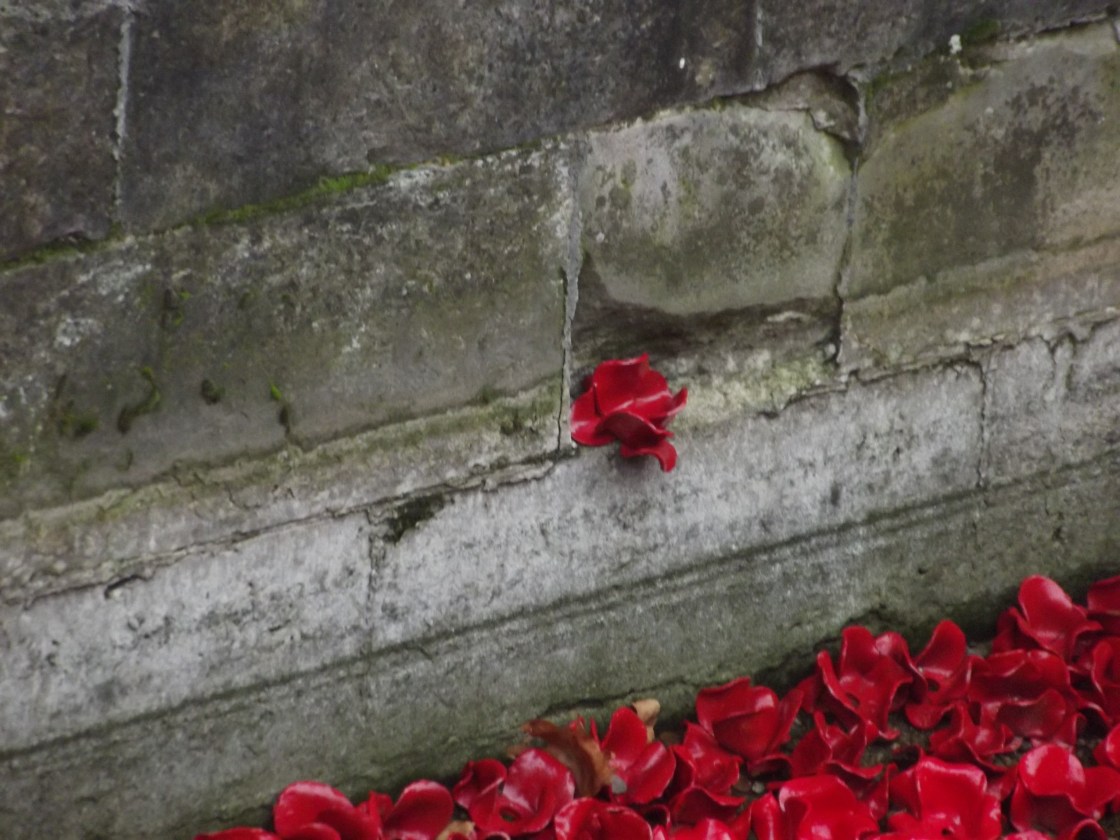
I hadn’t heard of Seddul Bahr, but maybe I should have guessed that since John Masefield who wrote the sonnet below was a soldier in WW1 he might be writing about Gallipoli.
Here is a newspaper report of the battle, dated 10th May 1915:
STORMING SEDDUL BAHR.
Coolness of British – Fighting Against Odds.
A Reuters correspondent describes the British landing nt Seddul Bahr, at the en-trance to the Straits, JS being of the bloodiest character
The enemy’s position was particularly strong as beaches flanked the fort on the right, and a high cliff on the left. The landing parties encountered a terrific fire, and had to run the gauntlet for 200 yards. Survivors entrenched in the sand and remained there for the rest of the day. Countless deeds of utmost bravery were performed by the men in bringing in the wounded who were struggling in the water, across the beach into shelter. Very soon hundreds of wounded were lying at one point.
Another party landed at the eastern end of Seddul Bahr and struggled up the cliff into a village where a jumble of broken gaping walls afforded shelter to the Turkish riflemen. The British were compelled to withdraw. Meanwhile a force landed at Cape Helles carried the wire entanglements at the point of the bayonet and stormed the promontory.
There was a magnificent infantry fight for the top plateau, lasting till nightfall when the Britishers reached the old fort on the ridge behind the Seddul Bahr beach. The remainder of our men landed after dark.
At midnight the Turks opened a terrific but harmless fire on the ships whose guns all day had kept down the fire of the batteries. The British shattered the enemy’s strong attack during the night on the ridge above the beach at Cape Helles, and at day break we occupied the whole seaward edge of the plateau. Utmost coolness throughout was displayed by the British, who overcame an awkward series of wire fences.
The infantry on the crest advanced along the ridge and the troops on the beach stormed the long hill, and, joining their comrades on the ridge, captured Seddul Bahr, and also the trenches on the top ridge. Many of the enemies dead were killed by the ships fire. Their bodies were found in the trenches. At night a French force landed, and joined the British on the ridge
Here, where we stood together, we three men,
Before the war had swept us to the East
Three thousand miles away, I stand again
And hear the bells, and breathe, and go to feast.
We trod the same path, to the self-same place,
Yet here I stand, having beheld their graves,
Skyros whose shadows the great seas erase,
And Seddul Bahr that ever more blood craves.
So, since we communed here, our bones have been
Nearer, perhaps, than they again will be,
Earth and the world-wide battle lie between,
Death lies between, and friend-destroying sea.
Yet here, a year ago, we talked and stood
As I stand now, with pulses beating blood.

 Lois Elsden