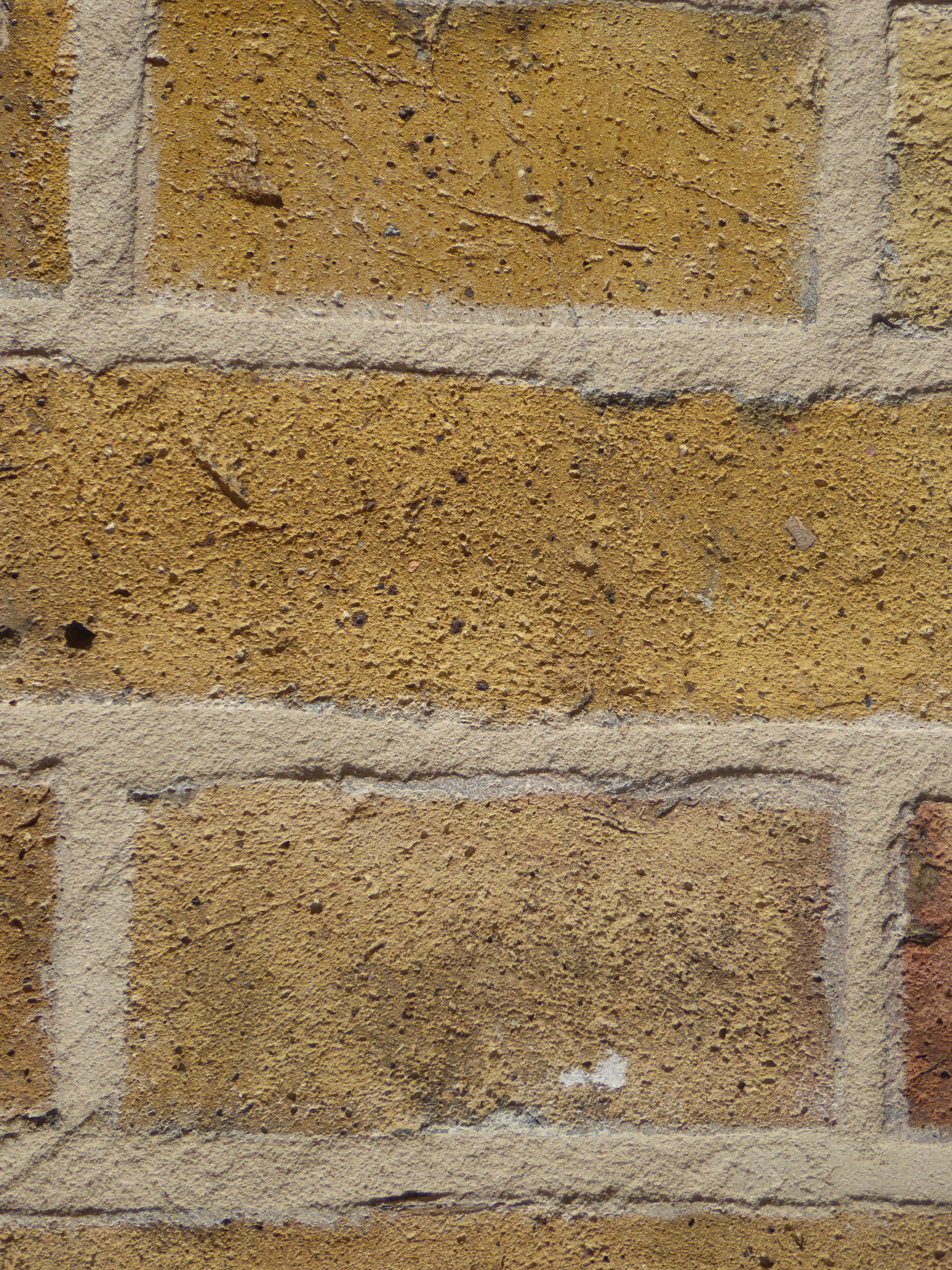
In my genealogical novels about the family history of the Radwinter family, the main character Thomas researches the lives of his forebears; here are no ‘exciting’ discoveries of links to royalty or famous people, just ordinary lives of ordinary people – which is the same for most of us! However, Thomas discovers that several of his ancestors worked in the local brickworks and the product of the region was a yellowy-grey brick.
The inspiration for the yellowy-grey bricks came from Cambridgeshire where I lived as a child; many of the houses and cottages in the villages and the town were built out of those sort of bricks, although our post-war flat was built from red bricks. Through my character, I have also become interested in bricks and brick-making, and have even dragged my husband along to visit the tiny brick museum in Bridgwater.
The colour of bricks is determined by the clay that makes them and any agents which are added to the clay. Clay has been used for so many different things since people were first people and using fire and tools, and brick-making is a very ancient art. How the bricks are made can also affect their colour, additions of various things such as lime, ash or organic matter, to speed up the burning of the bricks can change their hue – I would have said ‘baking’ or ‘cooking’ the bricks, but it is, apparently, burning.
Most clays are sandy clays but sometimes they already have other things such as natural lime or iron oxide in them which can make them red , but the amount of burning can make a brick red too. However some clays burn to a yellow colour and these are not as hard or strong as a red brick. The bricks made in my imaginary brick works are the yellowy-grey sort, and when i came across a building in London with just that right sort of brick, I had to take a photo!
If you haven’t read my Radwinter books, follow this link:
http://www.amazon.co.uk/s/ref=nb_sb_noss?url=search-alias%3Daps&field-keywords=lois+elsden
… and to find out more about bricks:
http://www.brickdirectory.co.uk/html/brick_history.html
http://www.penmorfa.com/bricks/history.html

 Lois Elsden
I had to replace a few bricks on my chimney a few years ago and couldn’t find a proper match for them color wise. Also the size of the standard brick has been downsized. The same goes for ceramic tiles for the bathroom or kitchen. A good idea if you are starting a project with tiles is to order a few more than you need in case you have to do some renovating at a later date so you will have the same color. Also remember where you stored them. They don’t call me handy for nothing!
LikeLiked by 1 person
Great idea… wish we had done that with our bathroom!
LikeLike
Hi Lois. I have noticed in our travels how the colours of stone vary with regions in England. Now you have shown me that I can explore bricks as well! In my experience (Australia) colours have varied with fashion, at least in more affluent times.
LikeLiked by 1 person
Yes, definitely fashion plays a part! Hope all is well, long time since we’ve been in touch! xxx
LikeLike
It has been a long time I regret. I have been keeping a low profile for a couple of years and cut right back on my blogging and viewing. Sort of back now. Glad to see you are still writing and pursuing your quests Lois!. Best wishes, Philippa
LikeLiked by 1 person