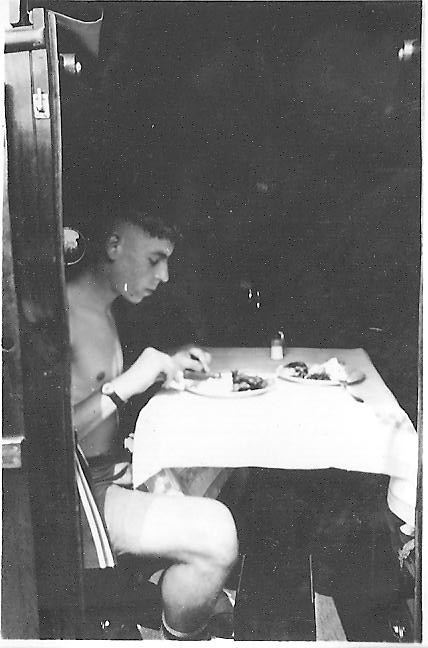
When I say my family come from Cambridge people often get the wrong impression of the sort of family I came from. Cambridge is renowned world-wide for its University, but our family had nothing to do with that except as lowly employees waiting on the young toffs. Cambridge is now a large city, with manufacturing businesses, science and technology parks, and education the most profitable industry. There are about 125,000 residents but that number swells by a massive 25,000 students. The core population is over ten times what it was two hundred years ago. The county also has seen a massive rise in population, and within the next twenty years may see a million people living in the towns and villages.
The Cambridge I come from was much smaller, was virtually a market town around the University. When my dad was a boy it was indeed a market town, with less than half the population there is today. His life was the life of a country boy; he would spend his free time on the river, out in the Fens, out in the countryside, and following country occupations such as fishing. He would cycle for miles, he would go along the river and out into the low country.
He had one memorable holiday which he recorded in a dairy, where he and a chum took a small motor boat out along the river and deep into Cambridgeshire. The diary is full of delights and in many of the entries he records what he ate. They had a supply of tinned goods and they bought fresh bread, milk and eggs from the farms they passed by. They also ate what they had caught while fishing, including elvers, young eels which they called bootlaces.
Elvers sound almost disgusting to us but they were much enjoyed. Where we live now has a similar landscape right on our doorstep, the Somerset Levels, flat land pretty much at sea-level which has been successfully drained, the waters controlled and is now used as farmland – however, there is always danger from water, and not long ago nearly the whole area was badly flooded.
Out in the Levels, like in the Fens, the rivers are full of fish (or they used to be) and elvers are caught and, unloved in this country, are exported to the Far East as a delicacy. In the old days, they would have been a delicacy here too. Apparently baby eels were sold fresh from the River Parrett for 2 shillings and sixpence (12½p) for a three gallon bucket full.
Should you ever come across elvers – or bootlaces as my dad called them, here is a recipe:
- 2 pounds of elvers/bootlaces
- 2 beaten eggs
- 1 oz lard
- salt and pepper
- 2 oz chopped parsley
- pour boiling water over the bootlaces until they become white
- rinse several times in cold water then dry with a cloth or paper towel
- put them in a frying pan with a little water and the lard , salt and pepper
- and simmer gently for 20 minutes
- add the eggs and parsley and stir well
- cover with a plate and let them cook for a few minutes until they are browned.
- turn the pan and plate over, inverting it so the bootlace omelette is on the plate
- cut into wedges and serve hot with crusty bread

 Lois Elsden