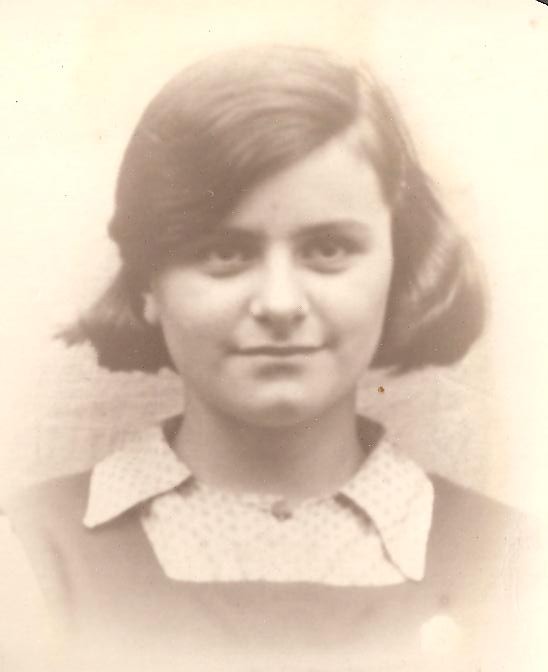
I haven’t any pictures of this little Bedfordshire village, but we are going to be visiting some time over the next few days. There is nothing particular about it except my mum and her family lived there in the early part of her childhood, from the late 1920’s to the early 1930’s and they always remembered it as an idyll.
They lived in a cottage with no running water as we know it, a pump in the kitchen and a pump in the yard. There was no electricity (it didn’t arrive in the village until 1935, by which time the family had moved to near Cambridge) so oil lamps served when night fell, and the children took candles to bed – can you imagine that? Health and Safety would be in a faint! (Seriously though, it was extremely dangerous and family history research shows so many people, and many, many children who were horribly burnt or died because of this) Worst of all there was no inside toilet, only a privy at the bottom of the garden; this sounds awful but this was the way it was and I don’t suppose they thought anything of it!
Doing a little research on the village which I visited a couple of times when I was a child and can remember little of, I discover that there was a chapel there in the early 1200’s and gradually over the centuries it became a church dedicated to St Peter.
In England a parliamentary act came into force in the 1770’s which meant some open land, common land, was enclosed and ownership imposed – nd of course, the ordinary peasants working on the land were the ones who suffered, who found they had nowhere to grow crops or graze animals. This drastically increased rural poverty, which led to a population movement into towns, and for those left behind workhouses were built to house them… but that’s a whole different story. An example of this is in Pavenham; by the turn of the century, there was a workhouse in the village, some twenty years after the enclosure act…
My mum and her sisters went to the local Sunday school and actually enjoyed it, meeting their friends and having little activities on a day which otherwise would have been quite empty of things to do as the Sabbath was closely observed and ‘playing out’ wasn’t allowed! The Sunday school had opened in 1827, and I’m sure for the villagers it was a wonderful thing to have an opportunity for their children to receive some sort of education because the actual school, a church school didn’t open until 1853. This was the school mum and her sisters and brother attended – it closed 130 years later, but I’ll try and find the building!
I’m looking forward to the visit… I wonder how many forgotten stories from my mum will come back to me!

 Lois Elsden