Eccles cakes originated in the Lancashire town of Eccles, just west of Salford, which is now subsumed into the massive urban sprawl with Manchester at its heart. The name is a bit of a mystery, and most people know it from the cakes but also if you are of a certain age, a character in the Goon Show. The town has a long history but boom time came when the textile mills arrived.
Eccles cakes are quite simple, pastry wrapped round a generous quantity of currants. The top is slashed before baking, its dusted with sugar and comes from the oven golden and delicious I would guess a pastry like this has been made ever since people made pastry and had currents, however James Birch was the first person known to have sold them in 1793.
Exploding Eccles cakes, firemen’s nemesis
While not to everyone’s taste, the Eccles seems a relatively harmless teatime treat. But a fire service has been moved to issue a public safety warning, concerning the currant-filled pastries, following a series of incidents.
Although sold ready to eat, the cakes have been bursting into flames after consumers attempted to heat them at home in microwave ovens. Ovens, kitchen areas and the cakes themselves have all been damaged, according to James Murphy, a manager at Crosby fire station on Merseyside. “The sugar in the Eccles cakes can ignite if cooked for a little too long,” Mr Murphy said: “We advise that cooking is never left unattended, even for a moment.
It is not known when the original Eccles cake was baked, but a James Birch is credited with being the first to produce them on a commercial basis, t his shop in the Lancashire town in 1793. Dafna Lev, who has been baking them at Dafna’s Cheesecake factory in Wavertree, Lancs for decades, said that aside from safety concerns, supermarket Eccles cakes were no match for the real thing. “To heat an Eccles cake in a microwave is the wrong thing to do,” she added. “You will end up with the currants getting too hot and burning your mouth.”
Banbury cakes are similar and they are much older – their recipe dating back to the 1580’s and before. They are similar but have other ingredients such as peel and spices. Another similar cake is the Chorley cake but this is made with plain pastry, not flaky, and the filling is squidged down within the pastry so it’s flatter. This makes it ideal to spread butter on!
The reason I’m thinking of Eccles cakes is that they have a significance in my latest Radwinter novel – they play an important part in a mystery Thomas Radwinter is attempting to solve. I confess I’ve got behind with this novel, and I’m not sure exactly when it’s going to be published, but I hope it will be within the next month! On the downward trail now!
In case you haven’t read my other Radwinter novels, here is a link:
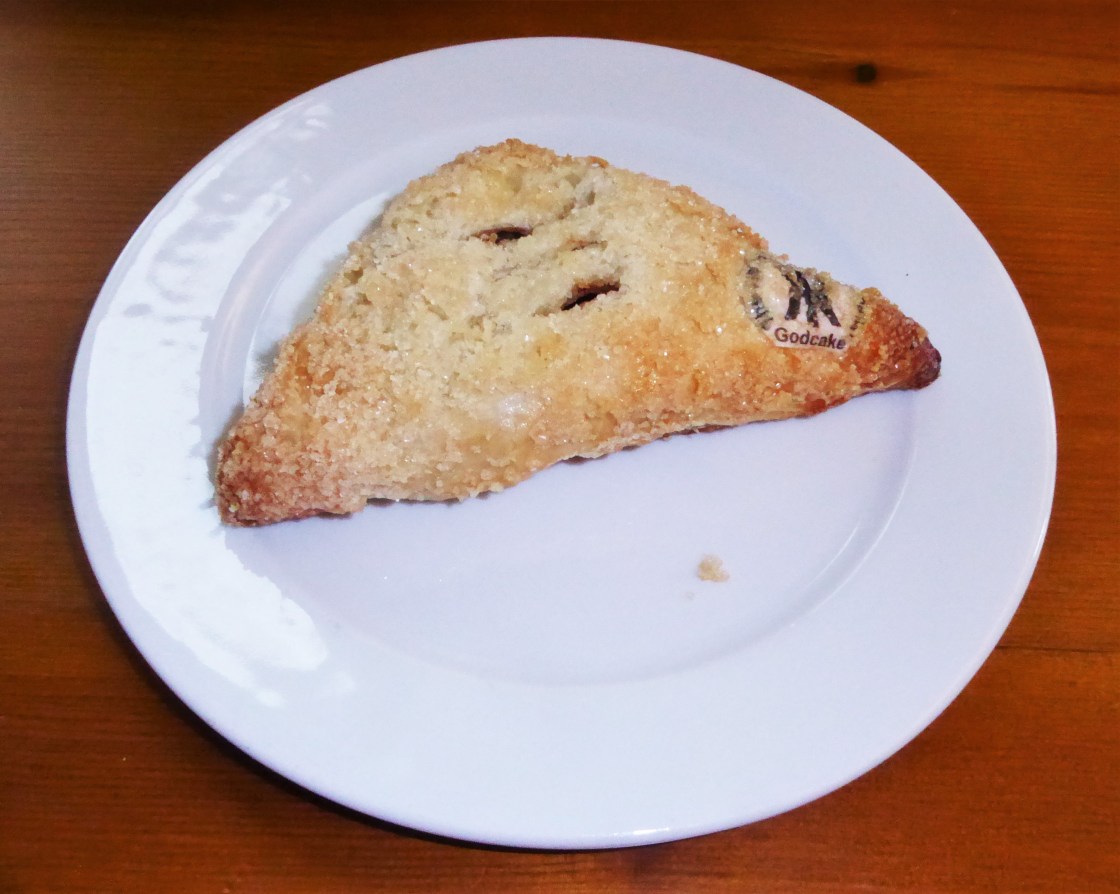
My featured image is on another fruit and pastry ‘cake’ – a God cake, a wonderful speciality from Coventry! This has to be the champion! If you are anywhere near this magnificent city, seek out God cakes!

 Lois Elsden
Fascinating as ever but Lo I fear the entire population of Salford will be heading your way. Eccles is in Salford, not Manchester, although of of course all three are in Greater Manchester.
LikeLiked by 2 people
Thank you for that – silly me, yes, I actually knew – I guess what I meant was there was this great sprawl of urbanisation thought of but not actually Manchester… I will correct right away!! x
LikeLiked by 1 person
There are three properties in Banbury specifically associated with teh cakes. I can tell you about them if you are interested. I say three but one was pulled down in 67/68.
LikeLiked by 1 person
OOh, yes! Yes please… just off to meet a writing chum but I look forward to finding out more about Banbury cakes!
LikeLike
OK – later is no problem. We will start with the building known as ‘Vivers”
LikeLike