One of the key pieces of advice to writers is to use the different senses to convey and enhance their work, to bring scenes leaping off the page and make them vivid and alive to readers. I think most of us remember exercises at school when we had to write descriptions, of people, of places, of things, and to try to create a vivid image of whatever we were writing about. We would be encouraged to use sound and suggestions of what can be heard to build a better picture.
It’s a beautiful summer’s day again today and I can see a slight haze on the hills, a purple, grey shimmer over the green of the woods. The sky above is not yet blue but an almost painful white because I’m looking east towards the morning sun. The roofs of the village are red, splashed with the gold of lichen, and the creamy walls form a band between the roofs and the greens of the gardens. … I could write much more of course, and I would add the sound of the birds, the different birds, the cheeky sparrows, the crying gulls, the gruff corvids. There’s the lazy sound of a mower somewhere, but the children of the village must be somewhere else because I can’t hear their excited voices.
As well as the sounds (and absence of sound) and sights, I might describe the warmth of the sun on my skin, the rough handle of the fork using to do the weeding, the soft grass beneath my bare feet as I stand hanging out the washing and the cool paving I as I hurry back into the house.
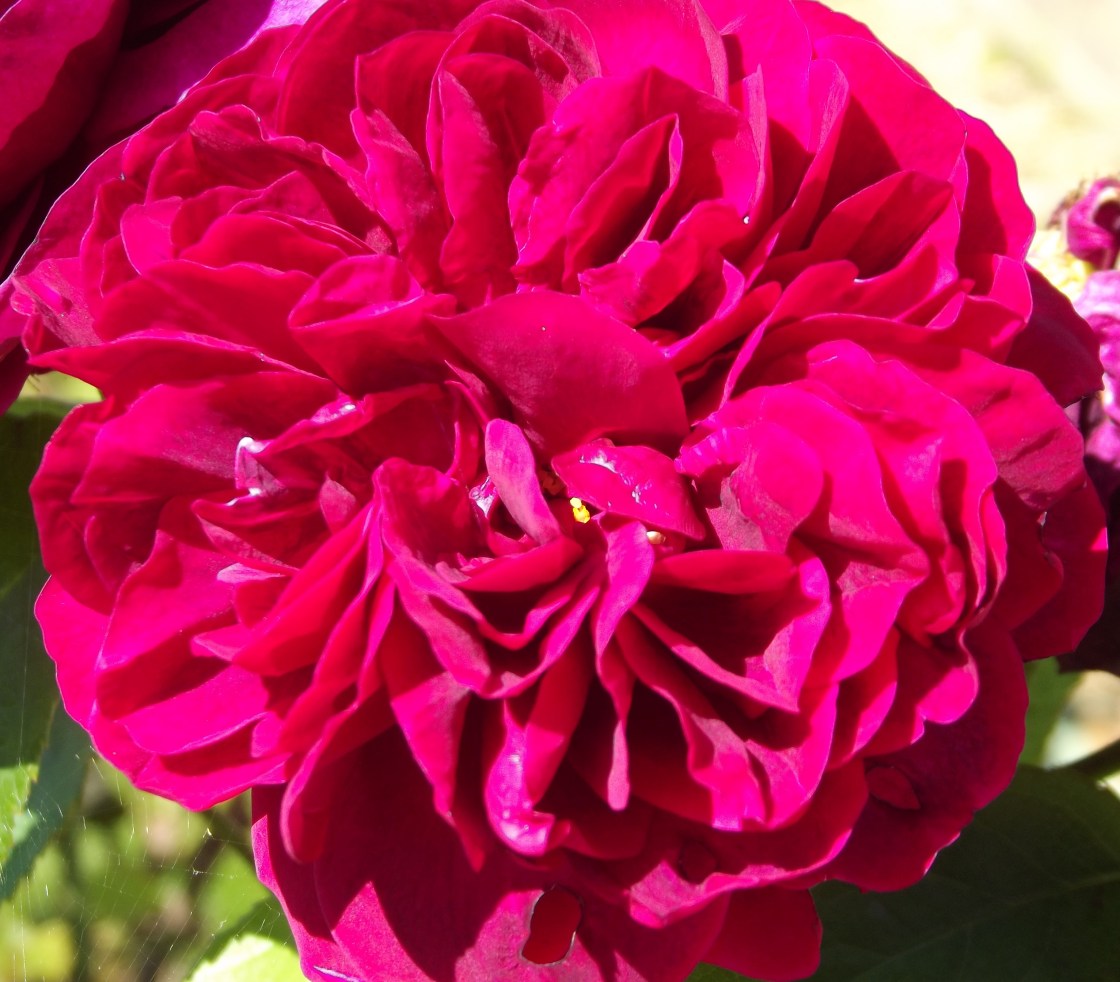
These sort of descriptions would be enhanced and made more vivid by including smell – easy to do on a summer’s day – the neglected roses still blooming and sharing their perfume, the scent of the earthy soil as I dig it over, the lavender which has got out of hand, the detergent I’ve used on my washing… But taste would I use taste in such a description? Describing myself in the garden, pruning the roses, I might almost be able to taste their perfume, and similarly when I cut the grass – I won’t be eating it, of course, but the fresh smell of it might be like tasting it.
Describing people or characters might be mostly about what they look like and the sound of their voices, but they become more rounded and real if the reader shares scent of their perfume or cologne,, or the soap or shampoo they used this morning, the detergent used on their clothes, maybe less pleasantly the sour smell of unwashed clothes, the sticky sweaty smells of someone who’s been working and hints to what they might have been doing – smoking, pickling onions, cleaning a drainage ditch, salting herrings… OK, extreme examples, I know! But some people do have their own natural smell – pleasant or not pleasant, a smell which might be something intangible, elusive distinct.
I once read about a hostage situation; the policeman involved in the drama who had been held by the dangerous criminals bargaining for their own safety, recalled that one of the men had a particular aftershave. Whenever the policeman smelt that ever afterwards, it evoked and provoked a sense of fear, terror, horror and would bring on a feeling of nausea and panic – nothing wrong with that particular smell but that was the reaction it caused.
It’s not difficult to describe someone, or something, but don’t forget what it smells like!

 Lois Elsden