I had a phone call from New Zealand the other day, a phone call from halfway round the world. We were driving to the shops and I chatted away as my husband negotiated the traffic, parked and stopped. I finished the call as we were walking behind our shopping trolley int the supermarket. Nothing unusual…
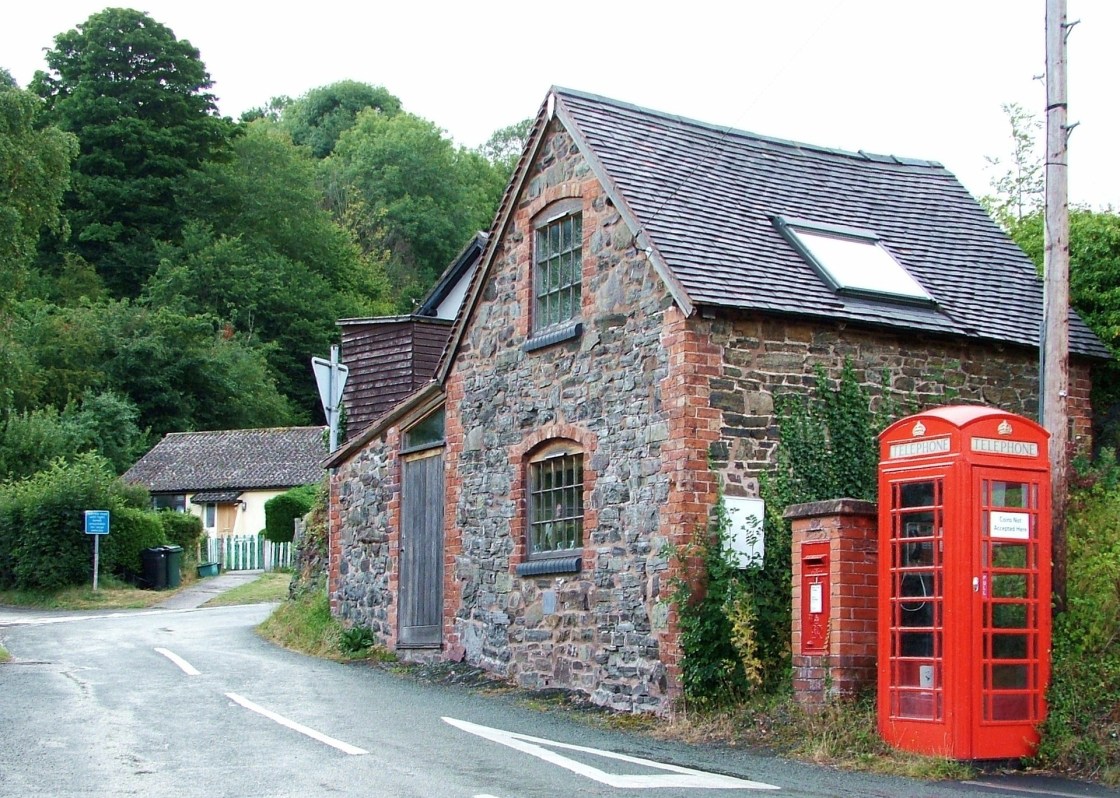
My latest novel is set in the 1950’s, a time when few people had telephones in their homes, and when there were the now iconic red telephone boxes everywhere. Making phone calls wasn’t an everyday thing for most people, it was something you did for a specific purpose, and sometimes an urgent purpose such as making a doctor’s appointment. There was not the universal expectation to have a phone in every household – I moved into a new house, a newly built house in the late 80’s and had to have Post Office engineers install the necessary connections for me to have a phone. (they may not have been the post office engineers, they may have been British Telecom by then)
The red telephone box was designed by Gilbert Scott and it first appeared in London, of course, in 1926. The original design was replaced by another Gilbert Scott phone box in 1935 and was made of cast iron and painted the familiar red; now the phone boxes spread across the country and within a few years there were about twenty thousand of them. They lasted for fifty years and were to be seen everywhere, even in the smallest village, until what was by then British Telecommunications not the Post Office, began to introduce new designs – not just for practicality but because so many of the old boxes were being vandalised, or needing to be repaired. The old boxes were removed, some sold, many scrapped but thankfully, about two thousand have become listed buildings and so remain.
I was quite old, well into my teens when I made my first phone call from a call box; we didn’t have a phone in our flat, but the old lady upstairs did and I think my parents may have used her phone on occasion. The first time I used a phone my Dad happened to be with me and he was about to cycle off leaving me to manage by pennies and button A and button B and I asked him to show me again (even though he’d told me) what to do. I was so nervous – not about making the call, but speaking to my friend’s parent who I expected to answer the phone – not that I was nervous of her, but it was speaking into this black, heavy receiver. It seems crazy now, when even tiny children will happily listen to granny on the phone and jabber away.
Now we communicate all the time, trivial chatter mostly, even as we are doing other things. Are people better at communicating because they do it all the time? Do people listen to others or are they merely listening for a break in the other’s conversation so they can interject and say their bit? People are expected to be available all the time, and if they can’t speak they can text and message… so many words! So many things said to others…
As I write about my characters in 1954 I’ve become aware of things I take for granted in my present world. A person wants to arrange to meet friend: there is no phone at his lodgings so he cycles down the toad to a call box. Inside a man is having a long conversation, and someone else is waiting to use the phone after him. My character gets back on his bike and cycles to his friend’s house. His mother, who lives in the same town, writes to him about something important she wishes to discuss – in those days there were several postal deliveries a day, and it was often possible to post a letter in the morning and it to arrive locally later the same day in the afternoon delivery.
We take this ease of communication for granted, it’s been quite tricky thinking round the idea when there weren’t phones everywhere, let alone in your own pocket!

 Lois Elsden