It was probably a week or so ago that I mentioned the latest publication from my friend the poet Macaque, ‘A Complacent Poet is an Oxymoron’, subtitled ‘Tips on writing better poetry from the workshops of Macaque’. The subtitle is indicative of what he is trying to get us to do, to forge poems by working with words, taking those concepts like a base metal, and working them through the fire of our imagination and using our skill and practised expertise to bash the words into something wonderful, making sure to discard the excess, leave unwanted adjectives and adverbs lying on the floor – interesting phrases can always be swept up and re-used somewhere else! I’m sure Macaque would be somewhat critical of that last sentence, far too many words, needs much trimming and refining!
I’ve been using the book because, it is, as it says on the cover ‘a poetry notebook with tips and exercises’. I’ve read the introduction, and have attempted the first couple of exercises. The first one asks the would-be poet to think of an animal and there are various prompts to guide thoughts. I tried to make my mind a blank and then thought ‘ANIMAL’ and a water rat popped (or plopped) into my mind. The water rat I’m thinking of is actually not a rat at all, but a water vole, a semi aquatic rodent. My water rat wasn’t just sitting on a blank mind-page, he (or maybe she) was swimming from under the canoe I was sitting in, and heading determinedly towards the sandy river bank where I could see his (or her) nest hole. This is my problem, I think of something and I’m plunged into a complete scenario – I could feel the sun on my shoulders and head, I could smell the river, I was balanced in the canoe, i could hear the gurgles and laps, and the distant sound of cows… I had the whole scene there.
Back to the exercise, back to the idea of crafting and honing. I had correctly started with imagining an animal and situating it in its place, but I had completely ignored the other suggestions for building a picture to build a poem. I want to do this properly, I want to be more disciplined, so I work through the exercise, following Macaque’s guidance to prepare for crafting my verse by really engaging in every sense with the subject, my little water rat.
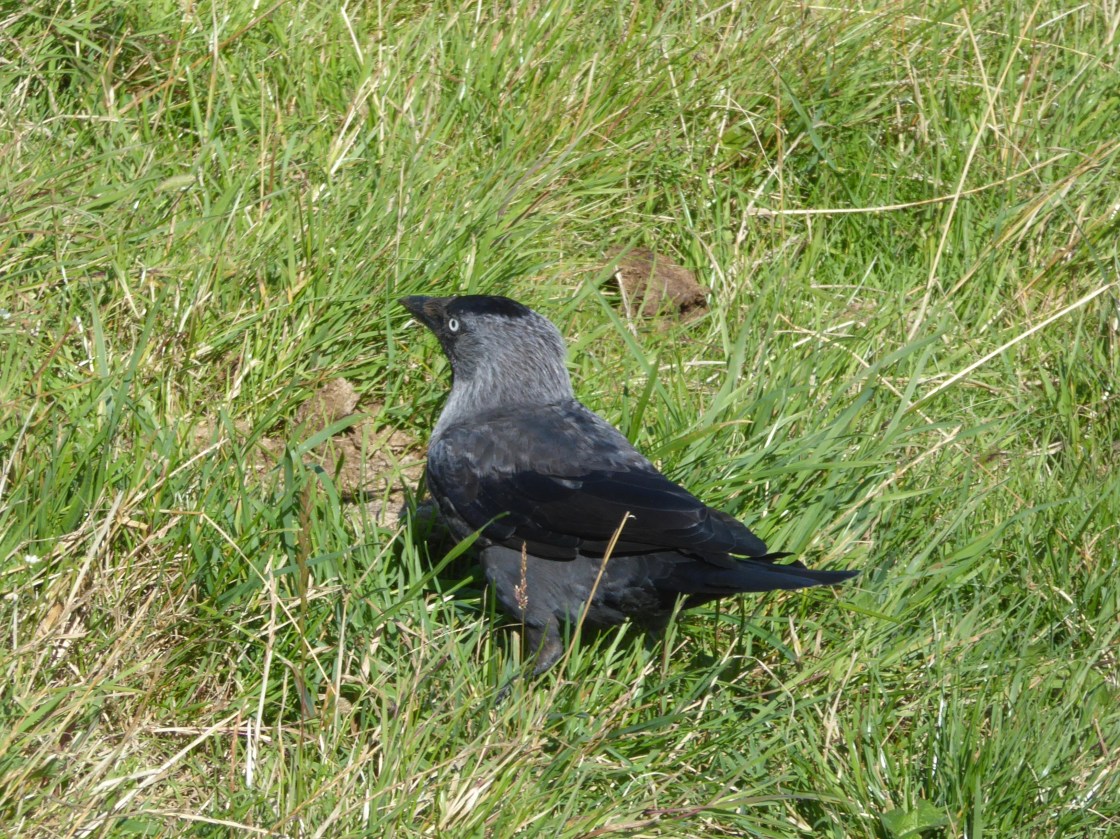
Later I move on to the next exercise, which is, in a way, similar but this time using a person as the stimulus. I think of a real person I know and begin to describe them. This exercise employed metaphors and similes (I confess, I had to look them up to check I properly remembered what each were.) I was more pleased with this, I was being more imaginative. I settled on the idea of this person having corvid aspects to his appearance and personality. I really stretched my brain to make useful notes which I might be able to use to create a poem – or something which approached being a poem.
Macaque always tells me I use too many words, and I know I do, I have such a vivid imagination I can see things so clearly – my mental senses as acute as my actual senses. I can guess that if you are trying to write a poem and you are like me – or if you are the opposite and have a pared down, slim vision, then you will find this notebook really useful. After the two exercises, animal and human, there are a number of blank pages where you can work on your poem. So, that is what I’m going to do next!

 Lois Elsden