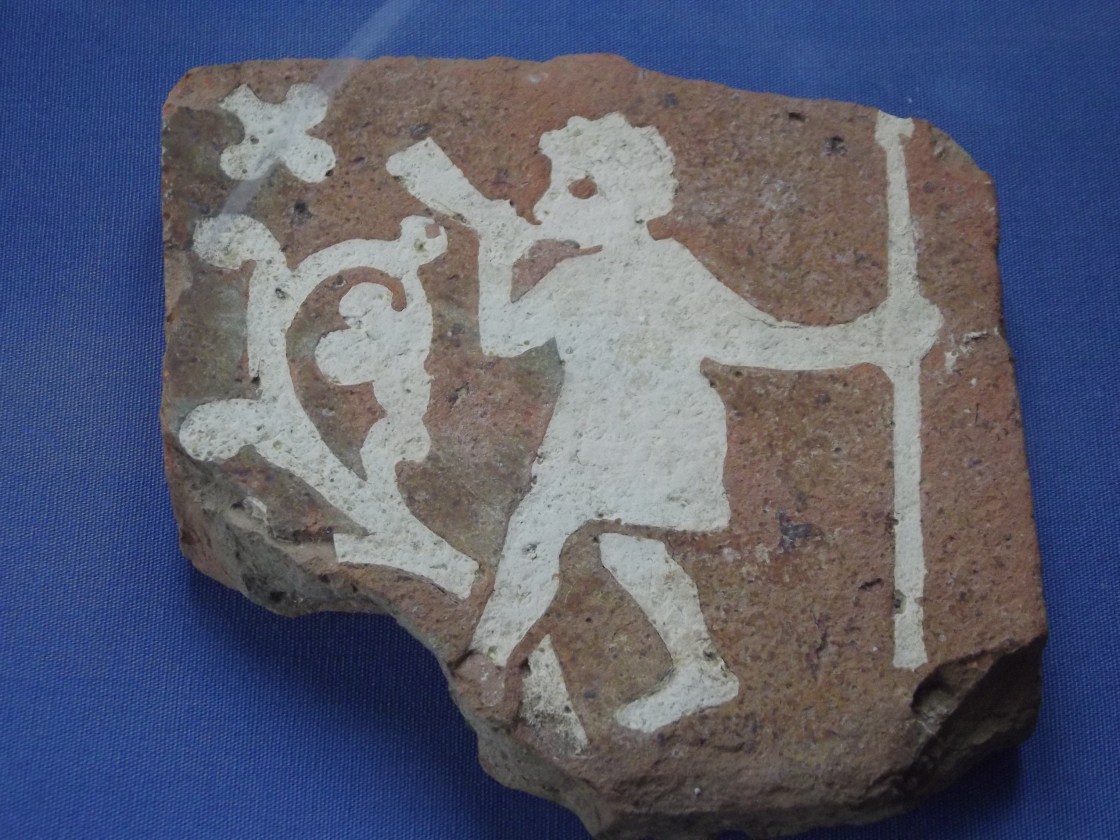
I’m having some ideas for this week’s writing group, topic – what happened after the end of some well-known story? What happened next? I’ve had an idea, based on something I did several years ago, when I ran a workshop at the local Literary Festival. This is what I wrote at the time about it:
I’m going to be thinking about beginnings, middles and endings, so now I’m starting the process of gathering my ideas together to run something which will last ninety minutes, which isn’t very long for a workshop. I’m thinking of taking an example a nursery rhyme as a way of showing how writers can play with events when telling their tale.
Little Boy Blue, come blow your horn,
The sheep’s in the meadow, the cow’s in the corn.
Where is the boy, who looks after the sheep?
He’s under a haystack, he’s fast asleep.
Will you wake him? Oh no, not I,
For if I do, he’ll surely cry.
I’m sure most people know this story and get a picture of the sleeping boy while the naughty creatures invade the meadow and pasture. There’s drama about whether to wake the child, but do the people talking about him, fear him crying, maybe because he makes such a fuss,, or maybe feel sorry for him? If we look at the sequence of this tiny tale it’s something like this:
Little Boy Blue is looking after the sheep and the cows; we’re not told where the animals were before the start of the rhyme , but the herds are kept separate (I imagine!) He has a horn which no doubt he uses to round up the animals. However, he lies down by a haystack and goes to sleep. He doesn’t notice that the animals have strayed which is observed by two unnamed people who at first call out to him to blow his horn and round up the strays. He doesn’t respond and they wonder where he can be, then see him fast asleep. They have a conversation about whether to wake him.
…and here’s the dialogue as if spoken by two other lads, who I’ve named Tom and Will:
“Hey! Boy Blue! Come on, come blow your horn!” yelled Tom. “The sheep are in the meadow, the cows got into the cornfield!”
“Where is that boy,” asked Will. “The lad who looks after the sheep?”
“OMG! He’s under the haystack, he’s fast asleep!” and Tom pointed. “Will you wake him, Will?”
“Oh no, not I, not likely, for if I do, he’ll surely cry
In a very simple story there are lots of ways of telling it to make it more interesting – not that the Boy Blue story is actually very gripping! A story doesn’t have to start at the beginning of the series of events, it can start from the final thing that happened in terms of plot, or the middle, and the actual beginning of the events which led to the action may not be explained until the end… Agatha Christie does this all the time!
While researching this I came across a suggested origin for this simple episode. I actually think it was probably just a story, maybe based on an actual little shepherd who nodded off, but it may just have been a tale made into a song. However, it’s thought by some people, that the rhyme is based on Cardinal Wolsey who came from a humble agricultural background. Others think it is a reference from King Lear – which really doesn’t seem likely to me.
There is a really interesting analysis of it in this WordPress post:
https://interestingliterature.com/2018/11/27/a-short-analysis-of-the-little-boy-blue-nursery-rhyme/

 Lois Elsden