It’s a perpetual battle to be more tidy (I don’t aspire to “tidy”, just “more tidy” – which if you saw my starting point you’d think would be easily achievable) and this morning I decided I’d make a real effort, be objective, determined and focused. If I came across something I had forgotten, I would be hardhearted and not hang on to it for some slight nostalgic reason. I mustn’t say to myself ‘oh, it’s a such-an-such, I had it when I was three – it’s of no use or value but I’ll hang on to it, even though I’d forgotten I had it and not seen it for years, because Aunty Somebody gave it to me.’ I must get rid of old birthday cards from people I didn’t know very well, or who I’ve completely lost touch with and may never see ever again, or whose names only seem faintly familiar and I can’t actually remember them. Old recipes of food I no longer like – particularly ones torn out of a newspaper with an important part of the recipe missing because I’d not been careful enough, old news items which seem to have no connection to anything or anyone I know, bills for items I no longer possess, postcards from strangers which aren’t even interestingly dull…
So how did I get on? Is the paper recycling box now bulging, is the waste bin overflowing, are shelves bare and cupboards empty? Well, obviously they are not – obviously I was easily sidetracked, not hard-hearted enough, not disciplined enough. However, I did come across some old notebooks with mysterious entries,, beginnings of stories, observations, journal jottings. You don’t have to read them, but I will share them here and then actually throw away (yes, throw away) the books even though there are many blank pages which I could write in (but won’t)
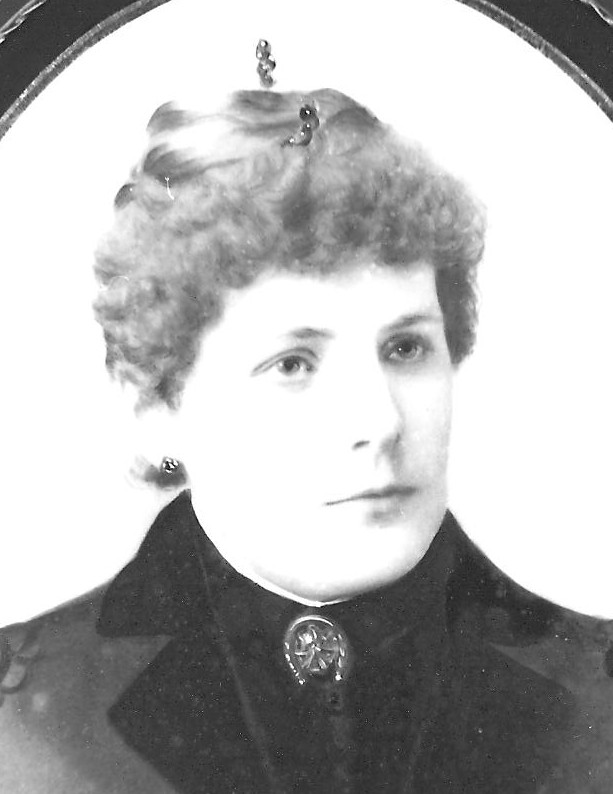
- If I stood on tiptoe I could see all of the things on the table. It was in the shop but theses things were unwanted items, the notice said. It was a charity table. There were knitted things and cups without saucers and cracked vases. At the back were books in a pile and one of them was standing up. There was a photo of a man in black and white and he was staring at me. He wasn’t smiling and he looked very severe.
“Who’s that?” I asked, but no-one heard me. “Who is that?“ - She often sat in a lost moment of stillness and he would watch her covertly, glance at her from beneath his bushy ginger brows. His father had married her over twenty years ago so he’d known her a long time.
In many ways he knew her well but in more ways she was a mystery. If he introduced her, on the odd occasion that he did, he would say she was his father’s wife, not his own step-mother.
He knew she had loved his father but there was always an - Anyone looking at Lois Walford in her later life, would have seen an austere, formal and upright woman. Her name in the family was a byword for doing things correctly and properly – whether it was the way one held cutlery, the way one spoke, the way one held oneself – seated, standing or walking, one’s posture and demeanour.
In no photos does she smile, in one on a picnic with her four sons, her beloved daughter and their families, her face may hold a benign expression – or maybe the sun is in her eyes.
The truth behind her rigid posture, behaviour and manner is different. The daughter of a Northamptonshire basket-maker, a child in a large family of children and step-children, her family was ordinary, but later, when she was estranged from them, they became solidly middle-class. She was estranged, because in her twenties, she met but never married a Jewish man.
Louis Walford was born in Tasmania, the son of a very wealthy, observant Jewish family. He and Lois never married, but they had five children – and I beleive they lived happily, until he died when their youngest child was only two.
I still do jot things in notebooks – but more usually on my phone when at least they are legible, even if they sometimes make no sense!

 Lois Elsden