A little while ago I mentioned that the next word of my list of things to write about – or as a trigger to write something, is ‘comb’. Well, I’ve been pondering on this for a couple of weeks now and no inspiration has lit up my brain cells. It’s a strange process, writing, sometimes inspiration flashes like lightning from somewhere, bam! straight into your imagination, sometimes there’s a trigger in a couple of words overheard, a small incident observed, a memory stirred, a scrap of a dream remembered, and sometimes (e.g. now with ‘comb‘) when my mind is just a dull soup of muddy thoughts.
So, comb, a small implement to tidy your hair, made of wood or metal or plastic – and apparently we humans have been using them for about five thousand years, and Wikipedia defines one as ‘a tool consisting of a shaft that holds a row of teeth for pulling through the hair to clean, untangle, or style it‘. Combs are used in weaving and fabric making – and if you’ve watched any police or crime series, you may have seen the forensic team combing through hair to find evidence of what has happened to a victim. Less gruesomely, a comb can make a simple musical instrument if you wrap a piece of paper round it and blow through it – although, actually, do people do that any more? I must ask my children. The principle of comb and paper music is related to what’s known as a Jew’s or jaw harp, more properly called, apparently a lamellophone. I have also discovered Lamaphon – “a tissue faced dense mineral fibre with a Class ‘O’ fire-rating… used in most mainstream cinemas, multiplex venues and screening rooms“.
Maybe I could write about a lost comb, or a comb belonging to someone found in a compromising place, maybe a baddie could use one of those styling combs with a long pointy end as a murder weapon, I think they might be pintail, pin tail or pin-tail combs, or are they rat-tail/rat tail combs? The answer to that is:
The pin tail comb is equal thickness from root to tip, which is ideal for foil work (highlighting) and avoiding stray hairs from catching, when rolling hair. The pin tail comb is very similar to a rat tail but this tail is much finer.
If I was writing a story about a comb used as an instrument of murder then the type of comb could be crucial! I also came across an intriguing answer to the reason for the name:
In a tangled lineage of hair heritage, think of the rat tail as the forbidden love child of the ponytail and mullet. Aptly named after the rear end of its rodent counterpart, the hairstyle is characterised by an isolated long strand of hair at the nape of the neck, often braided, beaded or bleached. https://www.dazeddigital.com/beauty/article/61353
I still haven’t got a clear idea of what to write about a comb, but at least I do have some ideas!
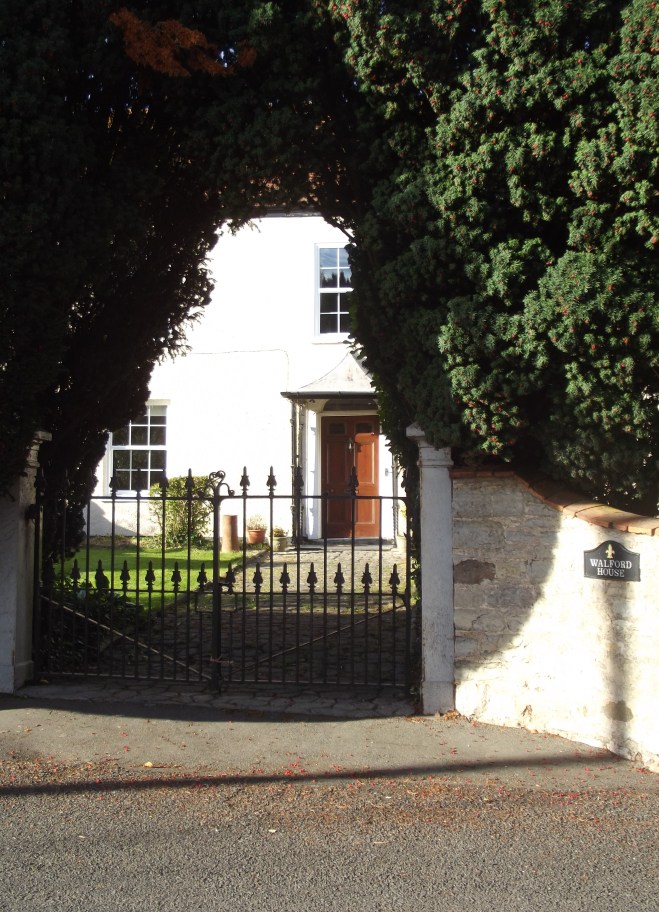
My featured image is from Combwich, a village in the parish of Otterhampton within the Sedgemoor district of Somerset, between Bridgwater and the Steart Peninsula

 Lois Elsden