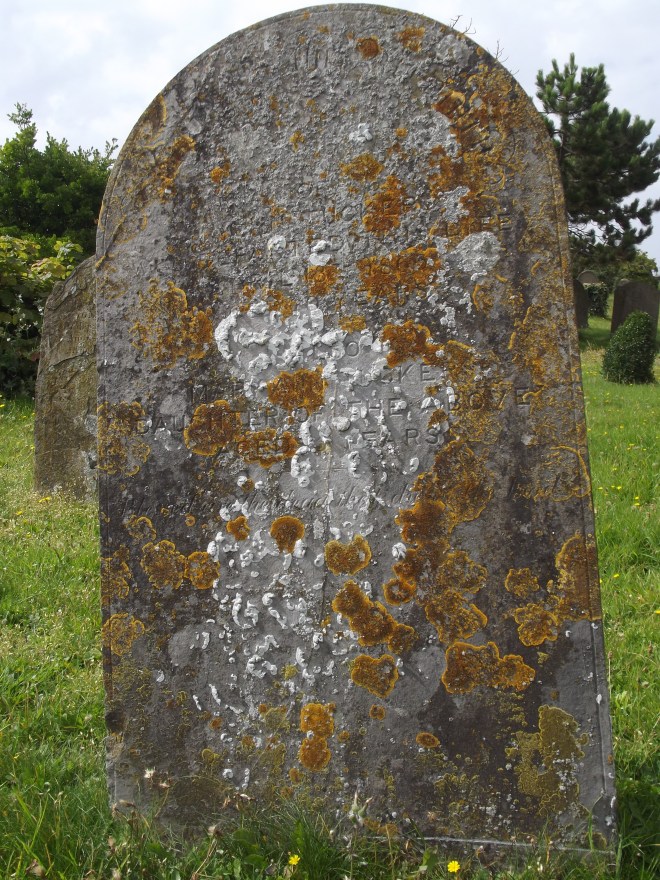
Although I am fascinated by history and the past, and try to read and learn as much about it as I can, I know that there are no times in the past where I would prefer to be than being here now in the 21st century. I know I am in a very fortunate position compared to many millions of others; I live in a safe place, I have sufficient to keep me and my family, and with the health care we have (even though people often moan about it) we are all amazingly healthy.
I was reading an interesting article, based on a TV programme about what life would have been like in the past, and in this article it focussed on Tudor times.
- It was a hard life, especially as ever, for the poor; about 14% of all children who survived their birth died before their first birthday. Women, because of the dangers of pregnancy and childbirth had a shorter life expectancy than men. For many, life expectancy was about forty. Disease, starvation and erratic and draconian laws all put people at risk.
- Punishment, even for minor crimes could be extreme… as extreme as death! There may have been as many as 72,000 executions in the reign of Henry VIII, by drowning, burning and having your head chopped off!
- There were many diseases and illnesses which were fatal, including the plague. medicine and treatment of the ill and injured was primitive.
- Water, quite rightly in those days was thought to cause disease so washing was avoided, not because people didn’t want to be clean, but because they thought disease would enter their skin from the water. weak beer was usually drunk as it was less contaminated – although they didn’t realise that
- Most people got most of their calorific intake through grain… meat and dairy products were a luxury for the poor, a luxury usually beyond their reach. During the winter many people starved to death, particularly the old, young and ill.
- Prayer and superstition were sometimes the only protection people could turn to in their times of trouble whether starvation, illness and disease, war or religious persecution.
here is the article – with lots of interesting links:

 Lois Elsden