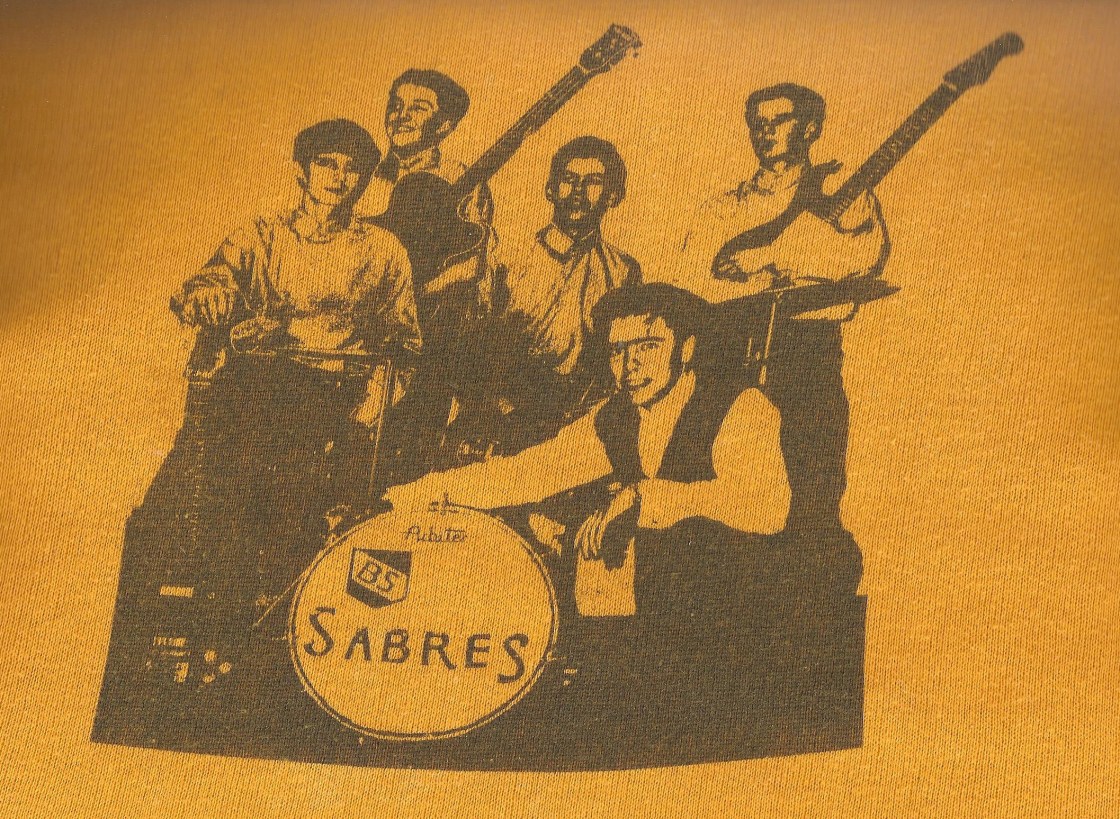
There was a really interesting interview on the radio this morning about modern popular music; I only caught part of it in between making cups of tea and breakfast and lunch sandwiches for people, so I followed it up later. The interview was with Dr Matthias Mauch from the School of Electronic Engineering and Computer Science at Queen Mary University in London; he was so enthusiastic and interesting, and his work, when I looked it up is fascinating. he and his team have done a tremendous amount of research into the different ‘revolutions’ in pock and rock music. They have analysed literally thousands of songs and their resource was the American Billboard Hot 100.
I grew up with the Beatles and Stones and they seemed light years away from anything which had come before them; my husband is only four years older than me and he has always been involved in the music business, but his musical era was a generation before mine, even though in reality it was so close (he actually loves all music, and plays to and listens to all music!)
Dr Mauch has found by analysing 17,000 songs from 1960-2010, that there have been three stages in this change. I wouldn’t have a first clue how to do anything like this because I’m not musical, but I can grasp that Dr Mauch looked at such things as harmony, chords change, timbre, and how these and other aspects have changed over the fifty years he was analysing.
Dr Mauch and his team found three changes – and some of the explanation of them was a bit technical for me, but I can understand the main ideas behind these three ‘revolutions’
- 1964: British bands such as the Beatles and Stones, with all the influences they derived from other music, wrought the first change and chords called dominant sevenths (which my husband knows all about but I only have a tenuous grasp of) which are as far as I can gather what makes jazz and blues distinctive, began to fade away and there was a much more rock and roll sound
- 1983: technology was behind this change – synthesisers, drum-machines, samplers, the new wave of post-punk, – really influenced the sound of the eighties – although Dr Mauch mentioned that what he called ‘arena rock’ – bands like Bon Jovi, masked the change because it was so prominent in the charts
- 1991: the music of the streets, rap and hip-hop began to exert a really powerful influence and maybe promoted the greatest change in music, because it came down to language (my thing!) speech and the rhythms of speech began to play a huge part in modern music
Back to the technical stuff, dominant sevenths had faded but leaping into their place in the 1970’s were new sounding minor sevenths in funk and soul and disco – just think of all the dancing I did in 70’s discos and I never realised I was on the barricades of a musical revolution!
Here is Dr Mauch’s fascinating site:


What about the solid-body electric guitar invented by Les Paul. That should get at least honorable mention along with my singing in the shower!
LikeLiked by 1 person
Classic! (guitar… and I’m sure your singing is too!)
LikeLike
I can even sing falsetto…………….how’s that!
LikeLike
Good grief!
LikeLike