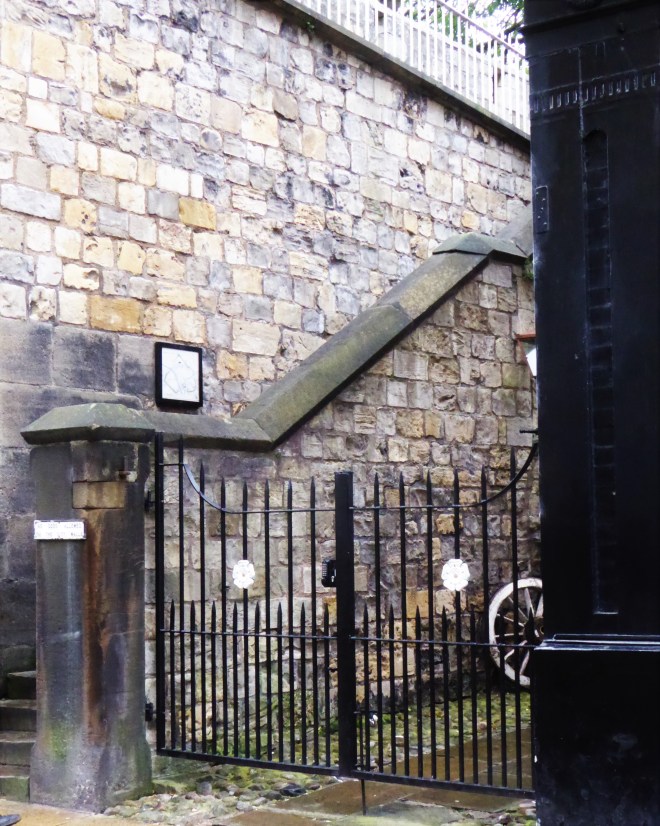
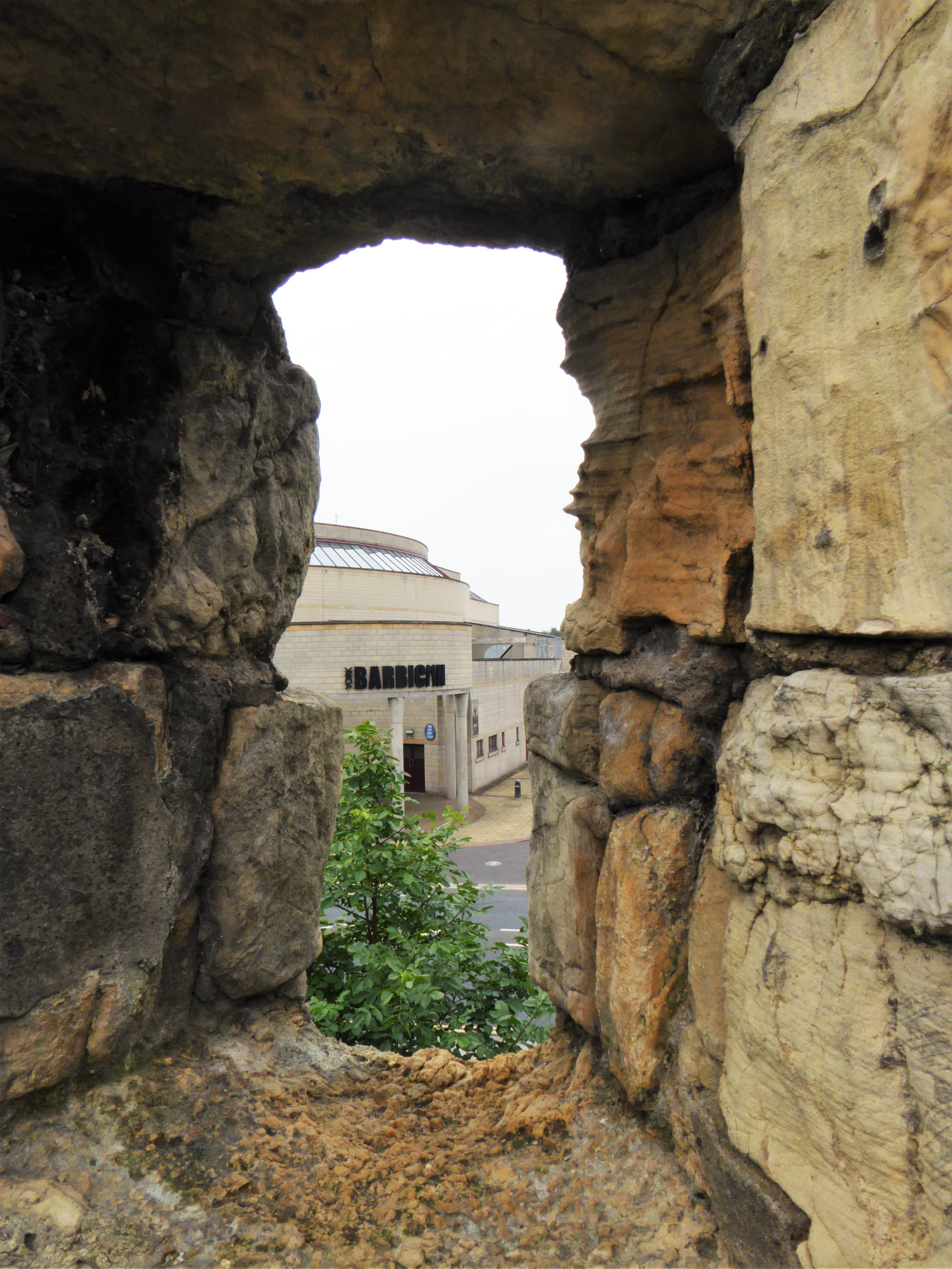
I’d only visited York a couple of times before, and only spent a couple of hours there each time. So when I spent two and a half days there it was great to be able to explore it more. I knew York had castle walls but hadn’t realised how extensive they still are. In fact on a couple of occasions we walked back to our hotel along the walls as it was quicker than going through all the little streets… also we were less likely to get lost!
It may be a little confusing to some visitors that ‘gates’ in York are streets, and ‘bars’ are gates; there are four main bars, Bootham Bar, Monk Bar, Walmgate Bar and Micklegate Bar, and two lesser bars, Fishergate Bar which was once much like the other main bars but badly damaged and almost destroyed in 1489, and Victoria Bar. There are towers too, the Bitchdaughter Tower, which may have been part of the old bailey, part of the motte and bailey castle thrown up by the Normans, Clifford’s Tower, the Multangular Tower, Fishgate Postern Tower, the Red Tower and Robin Hood’s Tower. No-one really knows the origin of the word ‘bitchdaughter’, although I read that it might mean a horrible nightmare. No-one seems to know why Robin Hood’s tower is so named; there was a Robin Hobbehod tried there in the 1200’s but the actual reason for its name, as far as I can find out is unknown!
Since the original walls, bars and towers were built they have been damaged, rebuilt, redesigned, added to, changed beyond what they originally were designed to look like. The Romans were the first to build around their settlement, Eboracum as they named it, and they were in this area from about AD70. It became their regional capital, a military town but with a civilian population too.
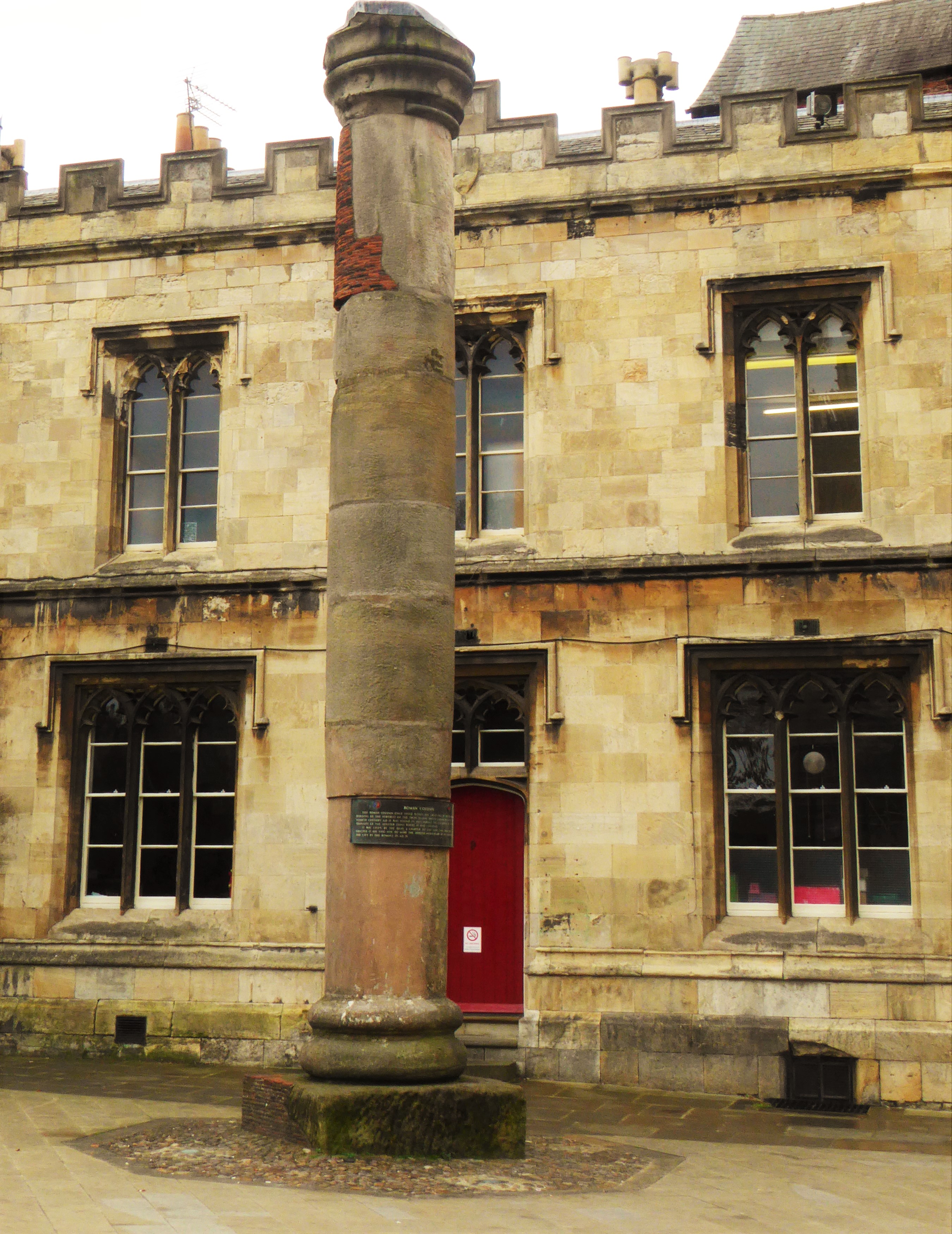
; after they left Britain in the fifth century, the city must have fallen into disrepair until the next wave of settlers, the Vikings arrived, and gave the place the name of Jorvik, which became York. After the Norman invasion, another military force moved in, to subjugate the local population. Henry III, son of the infamous Plantagent king, John, taxed the townsfolk in order to rebuild and maintain the walls. Today at least, the townsfolk benefit from them because of the flocks of tourists who visit to see the magnificent old stones.

 Lois Elsden
Where the walls built to keep people out and keep them in or both?
LikeLiked by 1 person
In this case, both – but with some Roman forts it was also to keep the soldiers inside – to keep the wolves in!
LikeLike