
- Make every word count
- Be self-critical
- Be disciplined and be hard on yourself
Don’t be afraid to wield the editorial knife
Research…
If you decide to set your novel in an interesting or unusual place, even if you have been there yourself, you may need to do some research to add detail and to make sure your facts are correct.
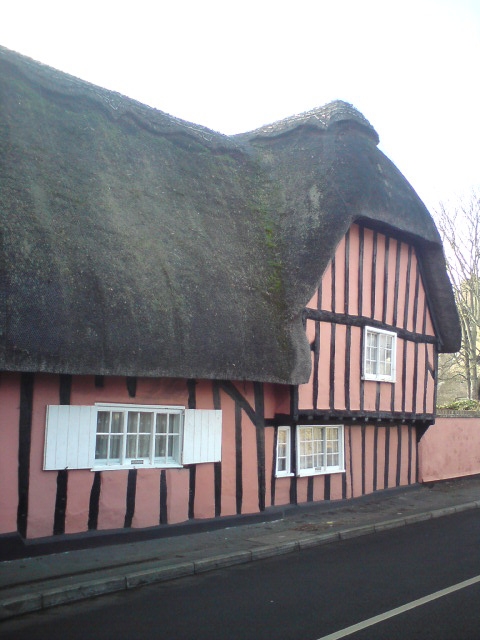
If your story is set in the past you may need to find out about how people lived in those days.
The same applies to character and plot. If your hero is an Albanian, or your heroine is an astrophysicist, you need to make sure you know something about Albania or astrophysics.
It is very easy to do research now with the vast resources of the internet. You may also like to visit your library or local museum.
Other people are a great resource; if your story is set in the recent past, interview people who were alive at that time; if your story is set in another place or country you may know someone who has lived, worked, or been there. You may be able to visit some of the places your story is set if they are local to you.
Adding extra detail adds interest for your readers; it brings your story alive and makes it more believable.
… and Observation
Observation is the easiest way to do research. Become a people watcher. Become aware of your surroundings and situation. Keep your eyes and ears open for the unusual, the intriguing, the something which might send your imagination racing. Store up what you see and hear either in your head, or in a notebook, log or diary… some people always carry one with them to jot down things which inspire them.
Endings
Readers can be very unforgiving if the end of your story is no good.
Ways to disappoint your reader:
- Ending your story with a whimper not a bang
- Revealing something right at the end they could not possibly have guessed or that doesn’t fit
- ‘I woke up and it was all a dream’ (dreams in general can be a big turn off unless you are very skilled)
- Drivelling on and on so the reader gives up through boredom
- Not being consistent
- Ending too soon or not soon enough
- Not being clear
The end…
… or not!
When you come to the end of your story it is not the end for you as a writer. You have to reread it, trying to put yourself in the position of a reader who is looking at it for the first time. Very difficult!
You can do this by:
- Reading it out loud (to someone else if you’re brave enough – in a secluded place if it embarrasses you!)
- Writing it on a wpc not by hand and printing it out so you’re not reading it off the screen
- Leaving it for a week and coming back to it (difficult if it’s homework)
- Having someone else read it out loud to you
- Having someone read it to themselves and make honest (but helpful) comments
- Reading it, rereading it, re-rereading it, over and over
By doing this you should see all the things that are wrong with your story and this is where the hard work begins! You want your story to be the best you can make it, rewrite, rework, cross out, delete, substitute, improve!
The end
You will get a terrific sense of satisfaction if you produce the best story you can, that you are pleased with, that you reread and think to yourself ‘Hey, that’s quite good! Hey – I’m quite good!’
The End (yes, really!)

 Lois Elsden
Oh, I bet it is not the end–you will think of more.
LikeLike
I bet I will!!
LikeLike
Thank you very much for your insight into writing stories and novels. In gratitude, I would like to share mine with you at:
I welcome your feedback there.
LikeLike
It’s just about my bedtime now but I will have a look tomorrow – you have so much interesting stuff on your blog, I keep getting sidetracked by all the different things!
LikeLike